
How Bakery Biscuits Are Made
Biscuits are one of the most loved bakery items in every household. Whether enjoyed with a hot cup of tea, dipped in coffee, or eaten as a light snack, biscuits are simple yet satisfying. But have you ever wondered how these crunchy delights are made in a bakery? Let’s take a closer look at the biscuit-making process, from ingredients to the final golden-brown treat.
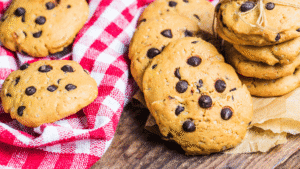
1. Choosing the Ingredients
Choosing the appropriate ingredients is the first step in creating biscuits. The basic components include flour, sugar, fat (like butter, ghee, or oil), milk or water, and a leavening agent such as baking powder. Depending on the type of biscuit, additional ingredients like cocoa, dry fruits, chocolate chips, oats, or flavors such as vanilla or cardamom are added. High-quality ingredients ensure that the biscuits come out with the perfect taste and texture.
2. Mixing and Kneading the Dough
Once the ingredients are measured, they are mixed together to form a dough. In bakeries, large mixers are used to combine the flour, fat, and sugar evenly. The fat gives the biscuits their light and crumbly texture, while the sugar adds sweetness. The dough must be kneaded properly so it is smooth but not too soft. Over-kneading can make biscuits hard, while under-kneading may cause them to break easily.
3. Resting the Dough
After kneading, the dough is allowed to rest for some time. Resting helps the gluten in the flour relax, which makes the biscuits crispier after baking. It also allows the flavors to settle and improves the overall quality of the final product.
4. Shaping the Biscuits
Next, the dough is rolled out to an even thickness. In bakeries, machines are often used for rolling and cutting to maintain consistency. Various cutters are used to shape the biscuits into circles, squares, rectangles, or even fun shapes for kids. Some biscuits are designed with patterns or small holes on the surface, which helps them bake evenly.
5. Baking the Biscuits
The shaped biscuits are carefully placed on baking trays and put into preheated ovens. The baking temperature and time vary depending on the type of biscuit, but usually, they are baked between 160–200°C. During baking, the biscuits rise slightly, turn golden brown, and become crisp. The aroma that fills the bakery at this stage is enough to make anyone’s mouth water!
6. Cooling and Packaging
Once baked, biscuits are taken out and left to cool at room temperature. Cooling is important because warm biscuits are still soft and can break easily. After they are firm and crisp, the biscuits are packed in airtight containers or wrappers to maintain freshness. In professional bakeries, special machines are used to pack biscuits hygienically so they stay crunchy for a longer time.
Final Thoughts
The process of making biscuits may look simple, but it requires precision, the right ingredients, and careful baking. From mixing the dough to shaping, baking, and packaging, every step plays a vital role in ensuring that the biscuits are tasty, crispy, and loved by everyone.
So, the next time you enjoy a crunchy biscuit with your tea, remember the effort and craftsmanship that goes into making this delightful bakery treat!